
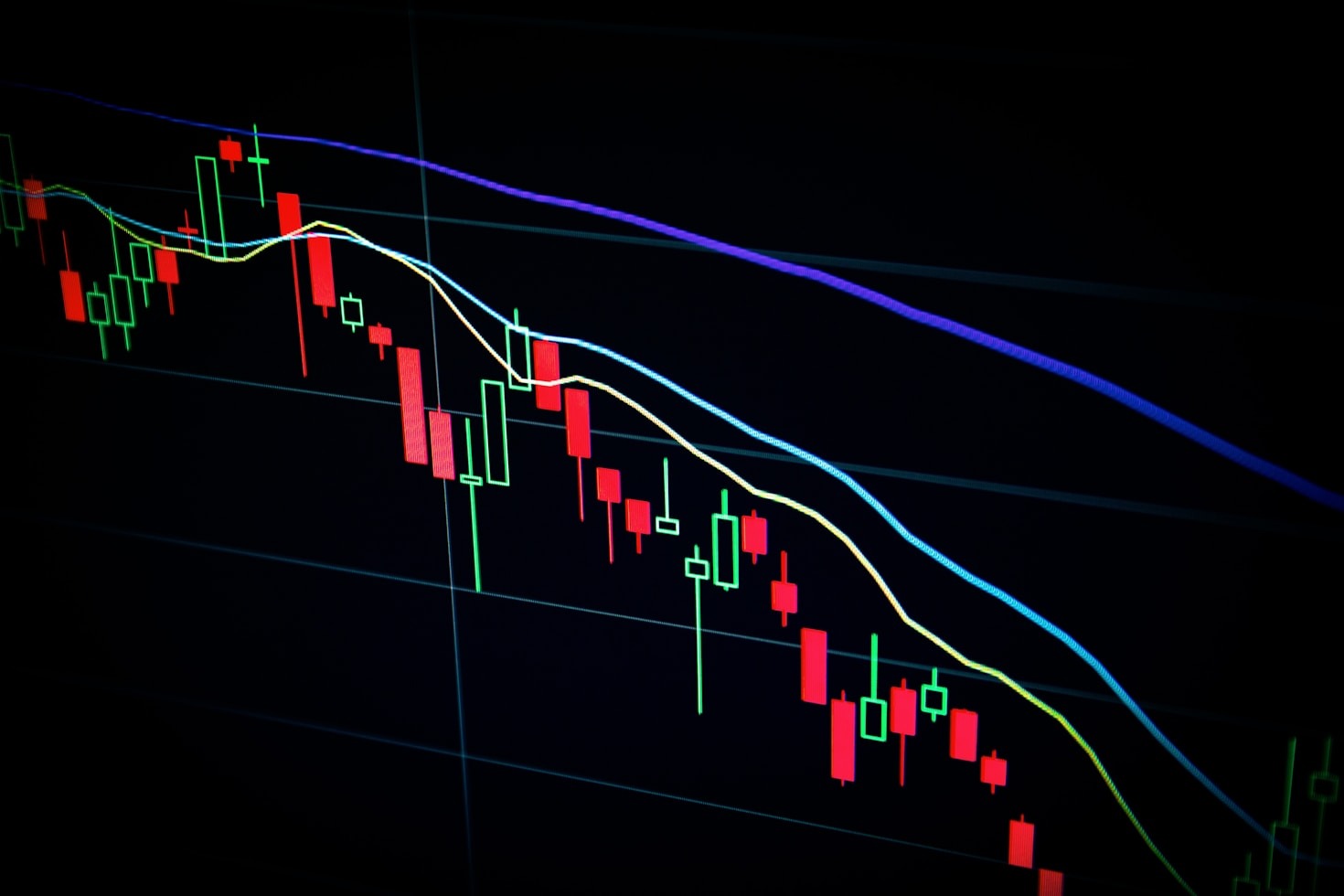
Gold trading remains one of the most closely watched segments of the global financial markets, attracting investors seeking both opportunity and protection during uncertain economic conditions. Today’s market reflects a cautious tone as traders evaluate recent signals from the U.S. Federal Reserve, movements in the U.S. dollar, and ongoing geopolitical developments. Although gold prices have pulled back slightly during the latest trading session, the precious metal continues to show resilience after posting its first monthly gain in several months.
The primary factor influencing today's gold market is the Federal Reserve's decision to keep interest rates unchanged while maintaining a cautious outlook on future monetary policy. Investors are now weighing the possibility of another rate increase in the coming months. Since gold does not generate interest or dividends, expectations of higher interest rates typically reduce its appeal compared to interest-bearing assets. At the same time, persistent inflation concerns and global uncertainty continue to support demand for gold as a traditional sa
fe-haven investment.
Currency movements are also playing an important role in today's trading activity. A modest recovery in the U.S. dollar has placed short-term pressure on gold prices because a stronger dollar generally makes gold more expensive for international buyers. Despite this headwind, analysts note that buying interest has remained strong whenever prices approach the psychological support level near $4,000 per ounce, indicating that many investors still view temporary declines as buying opportunities.


Currency movements are also playing an important role in today's trading activity. A modest recovery in the U.S. dollar has placed short-term pressure on gold prices because a stronger dollar generally makes gold more expensive for international buyers. Despite this headwind, analysts note that buying interest has remained strong whenever prices approach the psychological support level near $4,000 per ounce, indicating that many investors still view temporary declines as buying opportunities.
Geopolitical tensions continue to add another layer of uncertainty to the market. Recent developments in the Middle East have increased concerns about global trade routes and regional stability, encouraging some investors to maintain exposure to gold as a hedge against unexpected market shocks. Historically, periods of geopolitical instability have increased demand for precious metals, and today's trading session reflects that pattern even as short-term profit-taking limits further gains.
For investors, today's market highlights the importance of balancing short-term volatility with long-term fundamentals. Gold continues to serve multiple purposes within an investment portfolio, including wealth preservation, inflation protection, and diversification. While price fluctuations are likely to continue as markets respond to economic news, many analysts believe that gold will remain an important asset for investors navigating an uncertain global environment.
Wrapping Up with Key Insights
Today's gold trading reflects a market searching for direction amid changing economic expectations and global uncertainty. Interest rate outlooks, currency strength, inflation, and geopolitical events remain the primary forces driving price movements. Traders should stay informed about upcoming economic releases and central bank decisions, as these factors are likely to shape the next major move in the gold market. Whether investing for the long term or trading short-term price swings, disciplined risk management and careful market analysis remain essential for success.
Leave a Reply