
Introduction
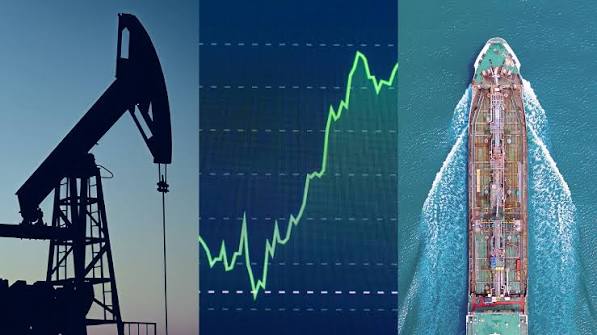
The global commodities market remains one of the most dynamic sectors of the financial world, with oil and gold continuing to dominate investor attention. These two commodities influence inflation, currencies, stock markets, government policies, and international trade. Every trading session brings fresh opportunities and risks as economic data, geopolitical tensions, central bank decisions, and supply-demand fundamentals reshape market sentiment.
Today’s trading session reflects a cautious market environment. Gold prices are experiencing moderate selling pressure after recent gains, while crude oil prices continue to fluctuate as investors monitor developments in the Middle East, global economic growth, and expectations surrounding future energy demand. Market participants are also closely following signals from the U.S. Federal Reserve regarding future interest rate policy, which continues to have a significant impact on commodity prices worldwide.
Crude Oil Continues to Trade with High Volatility
Oil prices remain extremely volatile.
Unlike gold, oil prices respond primarily to supply and demand rather than investor sentiment alone.
Today’s session reflects uncertainty surrounding:
- Middle East developments
- Global economic growth
- OPEC+ production policy
- Shipping conditions
- Energy demand forecasts
Recent sessions have seen oil prices retreat even as geopolitical risks persist, as traders respond to efforts aimed at securing shipping routes and reducing immediate supply concerns.
Major Factors Affecting Oil Prices Today
1. Middle East Tensions
The Middle East produces nearly one-third of the world’s oil.
Any conflict affecting the region immediately impacts:
- Oil production
- Shipping routes
- Tanker movement
- Insurance costs
- Supply expectations
Today’s market remains highly sensitive to developments involving U.S.–Iran relations and Red Sea shipping.
2. Global Supply
Oil prices depend heavily on supply.
Major producers include:
- Saudi Arabia
- Russia
- United States
- Iraq
- UAE
Whenever production increases:
Oil prices generally decline.
Whenever production decreases:
Oil prices usually rise.
3. Global Demand
Demand depends on economic activity.
Higher demand comes from:
- Manufacturing
- Transportation
- Airlines
- Shipping
- Industrial production
Slower economic growth reduces fuel consumption and places downward pressure on crude prices.
4. OPEC+ Decisions
OPEC+ remains the most influential organization in the oil market.
Production cuts generally push prices higher.
Production increases generally lower prices.
Investors closely monitor every statement from OPEC ministers because even small policy changes can significantly influence global oil prices.
Relationship Between Oil and Gold
Oil and gold often influence each other indirectly.
When oil prices rise:
- Inflation tends to increase.
- Central banks may maintain higher interest rates.
- Gold may face pressure from higher yields, though inflation can also boost its appeal.
When oil prices fall:
- Inflation pressures ease.
- Expectations for aggressive rate hikes may decline.
- Gold can benefit if lower rate expectations weaken the U.S. dollar.
Risk Management for Commodity Traders
Successful traders understand that commodities are highly volatile.
Good trading practices include:
- Using stop-loss orders.
- Avoiding excessive leverage.
- Monitoring major economic news.
- Following geopolitical developments.
- Managing position size carefully.
- Diversifying investments.
Discipline and risk management are often more important than predicting every market move.
Wrapping Up with Key Insights
Today’s trading session highlights the complex relationship between economic policy, geopolitical events, and investor sentiment. Gold remains supported by safe-haven demand despite modest profit-taking, while oil continues to react to changing expectations for supply security and global demand. Investors are closely watching central bank policy, inflation data, currency movements, and geopolitical developments for clues about the next major trend.
For traders and long-term investors alike, staying informed, managing risk effectively, and maintaining a disciplined strategy remain essential. Although short-term volatility is likely to continue, both gold and oil will remain among the world’s most influential and actively traded commodities, offering opportunities for those who combine careful analysis with sound risk management.
Leave a Reply